When is whale season in Hawaii?
Whale season in Hawaii runs from about December through May, with the most humpbacks from January through March. Here is what to expect month by month, so you can time your trip — and your tour — for the best sightings.
Hawaii whale season, month by month
Exact numbers change every year, but the pattern is steady. The bars above show typical relative sightings across the season.
October and November
The first humpbacks arrive from Alaska, usually a few at a time. Sightings are possible but not reliable.
December
Numbers climb quickly. By the holidays most tours see whales, especially off Maui.
January
Peak season begins. Competition pods of males chasing a female are common and breaches happen often.
February
Usually the busiest month of all, with the highest numbers of whales around the islands.
March
Still excellent. More mothers with young calves, which tend to rest in calm, shallow water.
April
Numbers drop as adults head north, but mothers and calves often stay into the month.
May
The last whales leave. Sightings are occasional.
June to September
Humpbacks are in Alaska. Dolphins, turtles and, off Kona, pilot whales are still around.
Why they come to Hawaii
North Pacific humpbacks spend the summer feeding in the cold, rich waters off Alaska. Each fall they swim around 3,000 miles south to Hawaii to breed, give birth and nurse their calves in warm, shallow, protected water. They barely eat while they are here, living off the fat they built up all summer.
More than half of the North Pacific population winters in Hawaii, which is why the islands are one of the best places in the world to see them. The waters around the main islands are part of the Hawaiian Islands Humpback Whale National Marine Sanctuary.
What you might see
- Blows — the misty spout when a whale exhales, often the first sign one is near
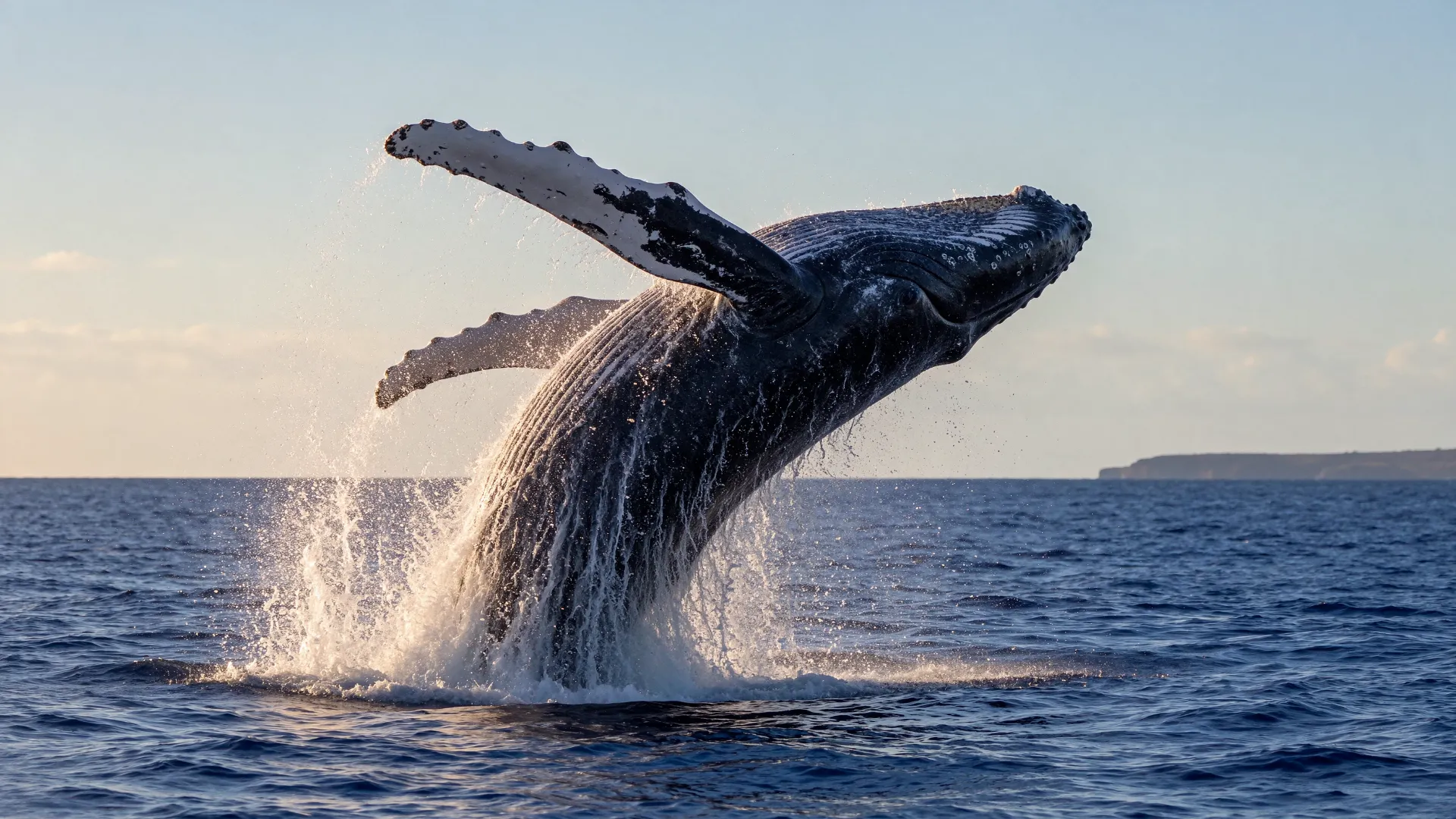
- Breaches — a whale launching most of its body out of the water
- Tail slaps and pec slaps — slapping the surface with flukes or long pectoral fins
- Competition pods — several males jostling for a female, fast and noisy
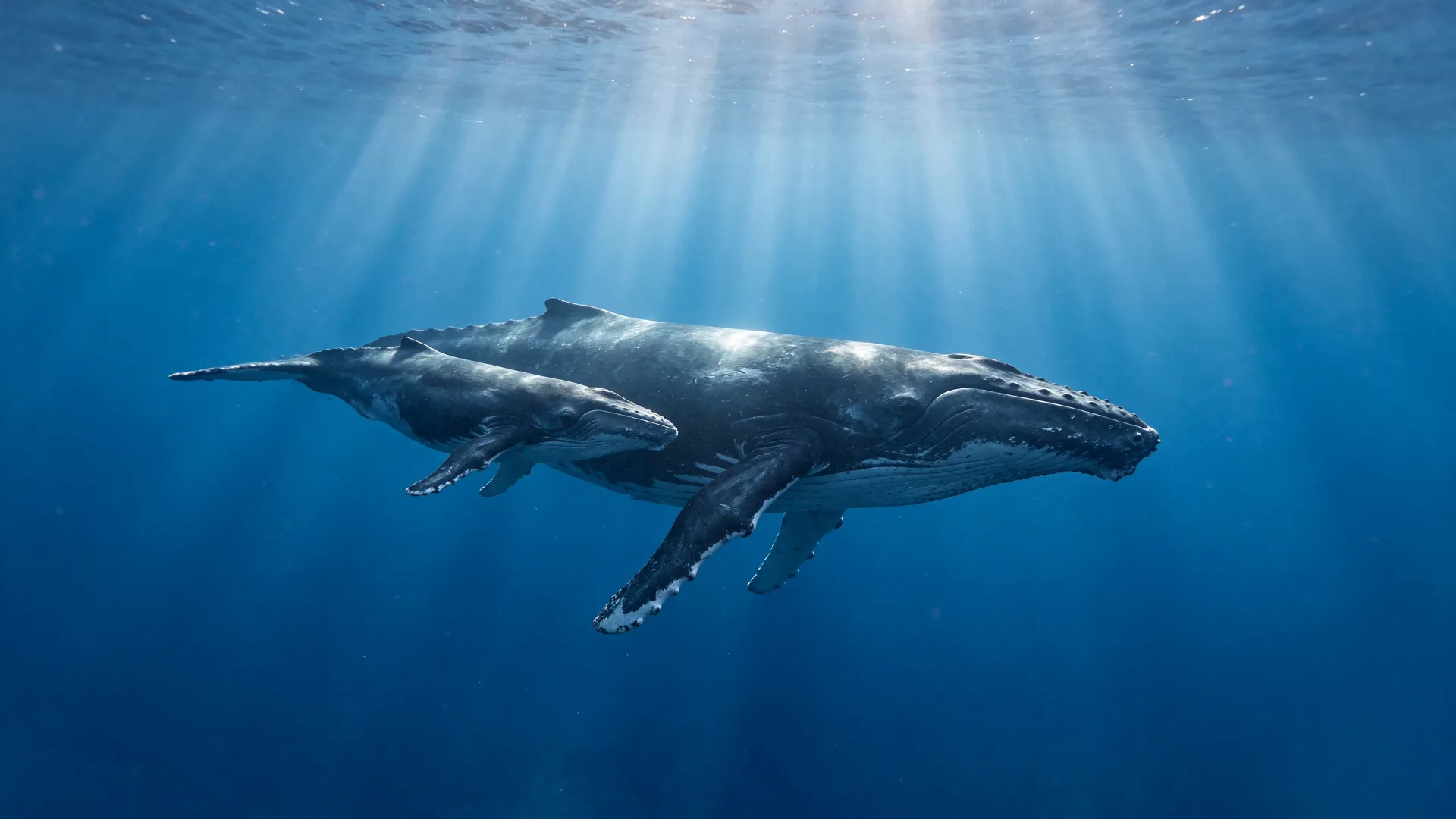
- Mothers and calves — a calf surfacing every few minutes beside its resting mother
Best time of day
Mornings are usually the best time for whale watching in Hawaii. The trade winds tend to pick up after midday, especially on Maui, so early tours often have calmer water, a smoother ride and better visibility. Afternoon and sunset tours trade a little comfort for softer light and fewer crowds.
Which island in which month?
Every island has whales in peak season, so stay where you want to stay. If seeing the most whales is the top priority, choose Maui between January and March. On Kauai, winter surf can affect Nā Pali tours, so keep a backup day. On the Big Island, the Kohala coast has the most humpbacks. On Oahu, morning tours from near Waikīkī fit easily into a city stay.
Plan your whale watch
Tell us your dates and island. Operators who have space reply with options and prices.
- Free to request, no booking fee
- Replies from licensed operators, usually within one business day
- Tell us once, compare options side by side
We never sell your details to marketers. Your request only goes to tour operators who can actually take you out.
Whale season questions
When is whale season in Hawaii?
Whale season in Hawaii runs from about December through May. The most humpbacks are around the islands from January through March, and February is usually the peak.
What is the best month to see whales in Hawaii?
February is usually the best month to see whales in Hawaii, with January and March close behind.
Is December good for whale watching in Hawaii?
Yes. By December most tours see humpbacks, especially off Maui, and numbers keep rising toward the January peak.
Can you see whales in Hawaii in summer?
Humpbacks are not in Hawaii in summer; they are feeding off Alaska. You can still see spinner dolphins, sea turtles and, off the Kona coast, pilot whales.
Why do humpback whales come to Hawaii?
Humpback whales come to Hawaii to breed, give birth and nurse their calves in warm, shallow, protected water, after spending the summer feeding off Alaska.